
Autor: webadmin
Call for papers | The playing field in academia: Why are women still underrepresented?
The Forum for Research on Gender Economics (FROGEE) together with the Centre for Economic Analysis (CenEA) and the Stockholm Institute of Transition Economics (SITE) invites academic papers to a conference held in Warsaw, entitled: “The playing field in academia: Why are women still underrepresented?”
Conference
Women continue to be underrepresented in every stage of the academic career in many fields and they do not advance professionally at the same rate as men. A growing body of research in economics points towards social and institutional causes behind these inequalities and offers policy suggestions to address them. To discuss and disseminate recent developments in this area FROGEE together with CenEA and SITE invites academic papers to a conference held in Warsaw on 21-22 June, 2023.
The conference is organised as part of the FREE Network initiative FROGEE, supported by the Swedish International Development Cooperation Agency (Sida). It will combine contributed sessions, invited lectures and policy discussions.
Invited lectures:
- prof. Carlo Schwarz (Bocconi University)
- prof. Sarah Smith (University of Bristol)
Call for papers
We invite either full papers (early versions are welcome) or extended abstracts. Authors will have approximately 30 minutes for their presentations. There is no conference fee but participants are expected to cover their own travel and accommodation costs.
Submission deadline
Online submission is open via site@hhs.se, please in the subject box type: “Submission: The playing field in academia”.
The deadline for submissions is 17 April 2023. Notifications are expected by 30 April 2023.
Save the date
21-22 June, 2023. More information about the conference can be found here.
Photo by metamorworks, Shutterstock.com
Deaths during the first year of the COVID-19 pandemic: insights from regional patterns in Germany and Poland
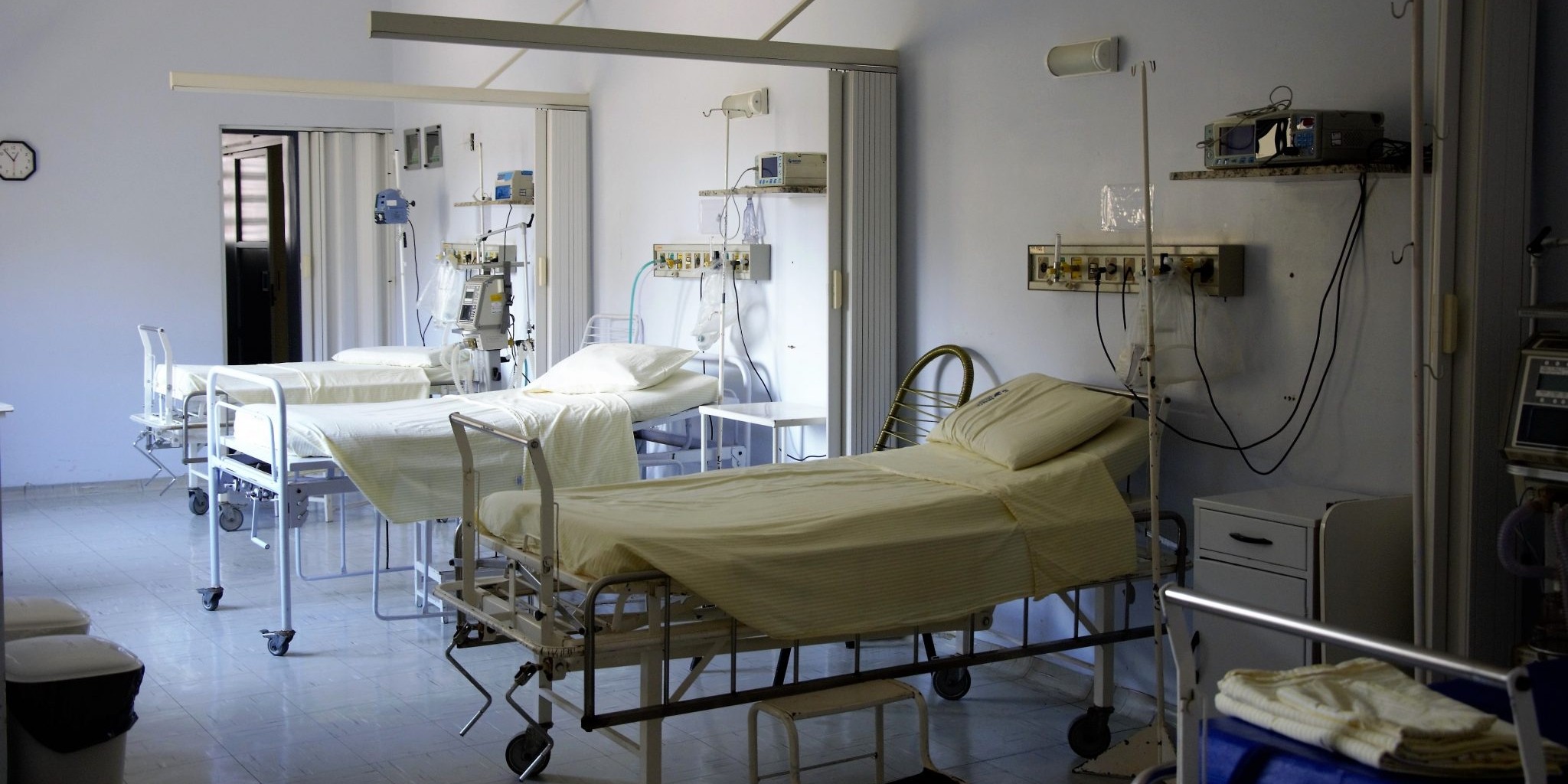
In the article published recently in the BMC Public Health, researchers from CenEA in cooperation with colleagues from the TU Dortmund University investigate the spatial correlation of deaths in the first year of the pandemic in two neighbouring countries – Germany and Poland, which, among high income countries, seem particularly different in terms of the death toll associated with the COVID-19 pandemic. The analysis aims to yield evidence that spatial patterns of mortality can provide important clues as to the reasons behind significant differences in the consequences of the COVID-19 pandemic in these two countries.
The article is available here.
A short FREE Policy Brief summarizes the most relevant conclusions of the article: What Can We Learn from Regional Patterns of Mortality During the Covid-19 Pandemic?
The article was prepared as part of the joint Polish-German research project AGE-WELL: Material Conditions and Older Age Wellbeing in Germany and Poland, funded by the National Science Centre in Poland (NCN) and the German Research Foundation (DFG). More details about the AGE-WELL project can be found here.
Widows’ Time: Adjusting to Loss
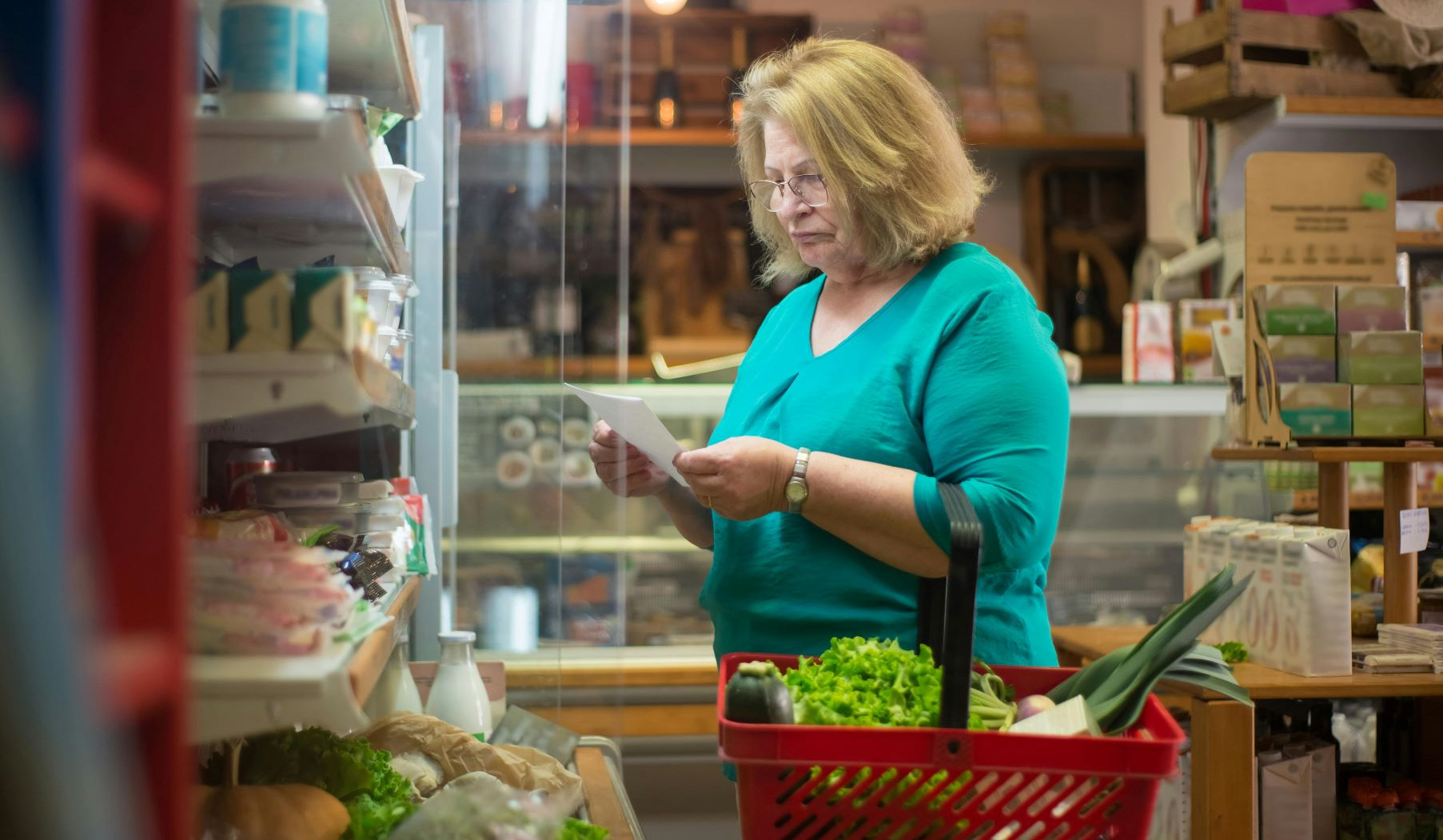
In the paper published recently in the 50th Celebratory Volume of the Research in Labor Economics, Daniel Hamermesh (University of Texas at Austin), Michał Myck (CenEA) and Monika Oczkowska (CenEA) take a closer look at the consequences of widowhood with respect to individuals’ time use.
As the article states, comparing older married women to widows in the American Time Use Survey (ATUS) 2003–2018 and linking the data to the Current Population Survey allow inferring the short- and longer-term effects of a demographic shock – husband’s death – and measuring the paths of adjustment of time use to it. Widows differ from otherwise similar married women, especially from married women with working husbands, by cutting back on home production, mainly food preparation and housework, mostly by engaging in less of it each day, not doing it less frequently. The ratio of time to money expenditures on one item – food – is higher among married older couples than among widows. Widows are alone for 2/3 of the time they had spent with their spouses, with a small increase in time with friends and relatives shortly after becoming widowed. Older French, Italian, German, and Dutch women exhibit similar differences in time use; European widows also feel less time stress than married women. Following older women in 18 European countries before and after a partner’s death shows that becoming widowed reduces their feelings of time pressure.
The article is available here.
An earlier version of the analysis was published as NBER Working Paper No. 28752: Hamermesh, Myck, Oczkowska (2021) Widows’ Time, Time Stress and Happiness: Adjusting to Loss.
Home Alone: Widows’ Well-Being and Time
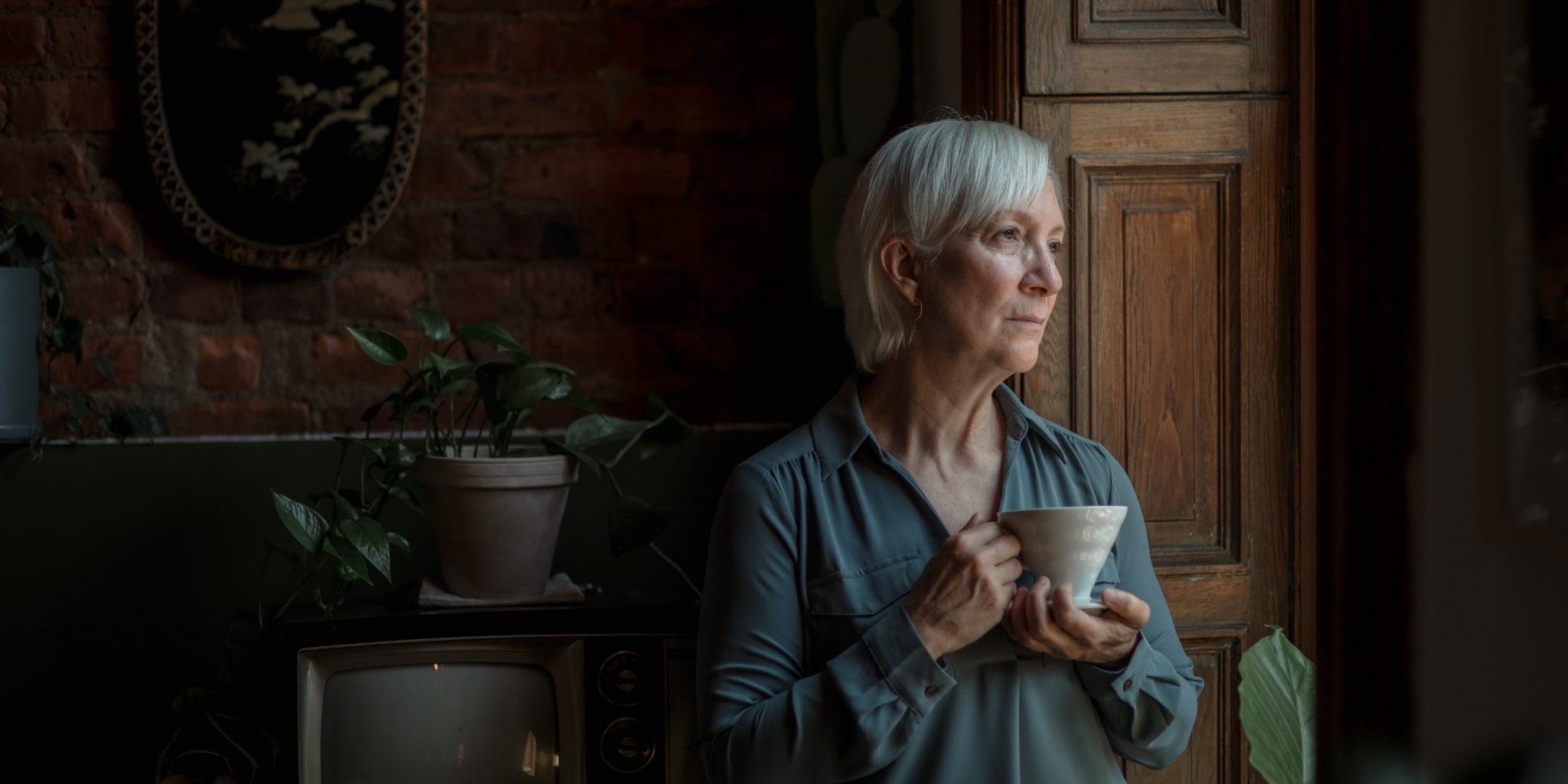
In the paper published recently in the Journal of Happiness Studies Michał Myck and Monika Oczkowska, together with their co-authors Maja Adena (WZB Berlin) and Daniel Hamermesh (University of Texas at Austin), examine differences between widowed and partnered older women in well-being and its development in widowhood. Their analysis accounts for time use, an aspect which has not been studied previously. For that purpose they use data from the Survey of Health, Ageing and Retirement in Europe (SHARE) and time diaries from Poland, the U.S., the U.K. and France. In the study the authors trace the evolution of well-being of women who become widowed by comparing them with their matched non-widowed ‘statistical twins’ and examine the role of an exceptionally broad set of potential moderators of widowhood’s impact on well-being. They confirm a dramatic decrease in mental health and life satisfaction after the loss of partner, followed by a slow partial recovery over a 5-year period. An extensive set of controls recorded prior to widowhood, including detailed family ties and social networks, provides little help in explaining the deterioration in well-being. Unique data from time-diaries kept by older women in several European countries and the U.S. tell us why: the key factor behind widows’ reduced well-being is increased time spent alone.
Homeownership and the Perception of Material Security in Old Age
Homeownership has been shown to be related to various aspects of well-being, although both the causal nature of this relationship and the possible channels behind it have been difficult to identify. We focus on one of the most often quoted mechanisms which could be responsible for the positive effects of homeownership, namely its role in providing material security in old age. Using data from 15 European countries collected in wave 2 of the Survey of Health, Ageing and Retirement in Europe (SHARE), we analyse the relationship between homeownership and material security, as measured through subjective expectations of being better or worse off in the future. We find that homeowners have a higher level of material security than renters, and this association is especially strong for those living in big cities. For this subsample, in comparison to renters, owning a property in the top quartile of the home value distribution is associated with an increase in the probability of expecting to be better off in the future by as much as 43%. With respect to our measure of material security we find no such correlations with education, income or financial assets. We interpret the results as support for the argument that homeownership offers a very particular form of material security, which may be behind its positivse implications for well-being.
The full research article is available as the IZA Discussion Paper.
A short FREE Policy Brief highlights the most important findings from the article.
Income Tax Policy in Europe Between Two Crises: From the Great Recession to the COVID-19 Pandemic
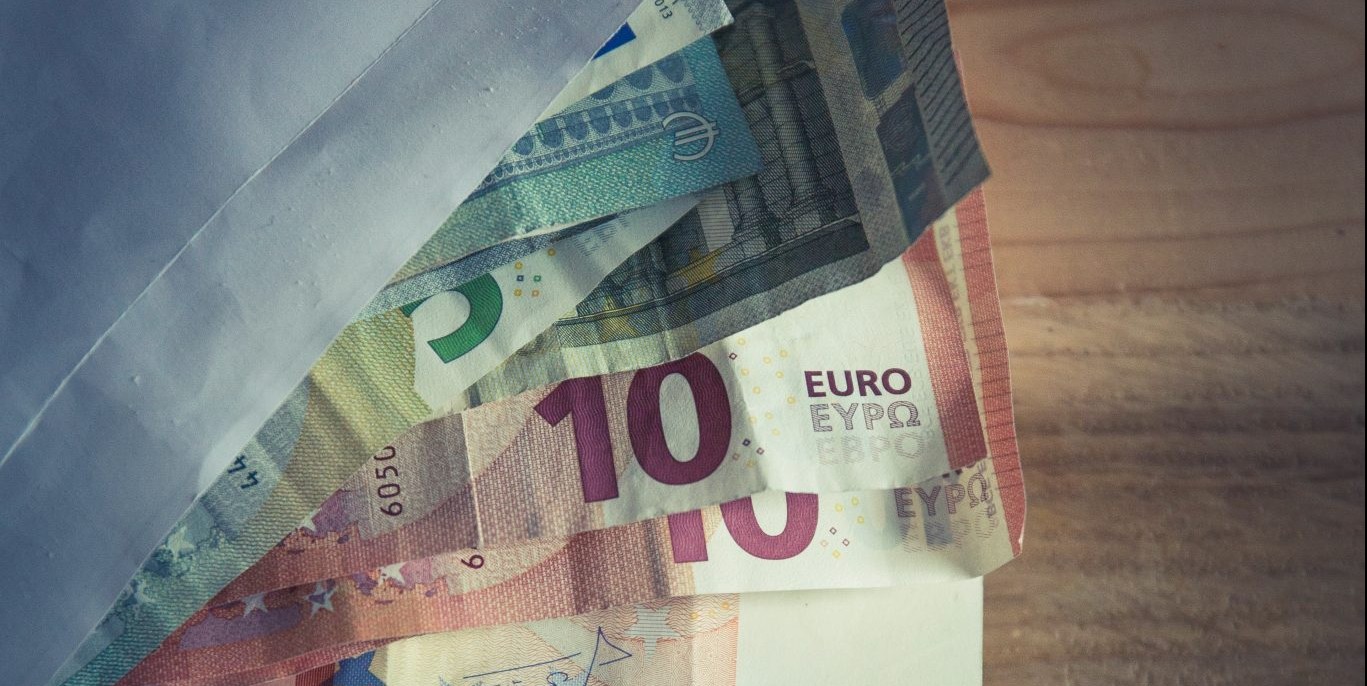
We examine the revenue and redistributive effects of tax policy reforms in twelve European countries over the decade between the financial crisis and the outbreak of the COVID-19 pandemic, setting them against the implications of a hypothetical system reflecting the extent of fiscal drag resulting from nominal wage increases. We show that the combination of wage growth and progressivity of the tax system determined the fiscal leeway which governments could use to reduce income inequality. Despite significantly faster wage growth in the examined post-communist countries of Central and Eastern Europe, their much lower degree of progressivity implied limited additional scope for fiscal changes. While decisions taken in most of the examined countries in the CEE region led to increases in tax progressivity, their income tax systems continue to be far less redistributive in comparison with such countries as Ireland, the Netherlands, or Portugal. This not only has direct implications for income inequality but also translates into limitations of automatic fiscal drag effects on government revenues, which could offer additional resources, in particular at a time of high inflation. Keywords: gender preferences, fertility, family structure, transition countries.
Social norms, conspiracy theories and vaccine scepticism: a snapshot from the first year of the COVID-19 pandemic in Poland
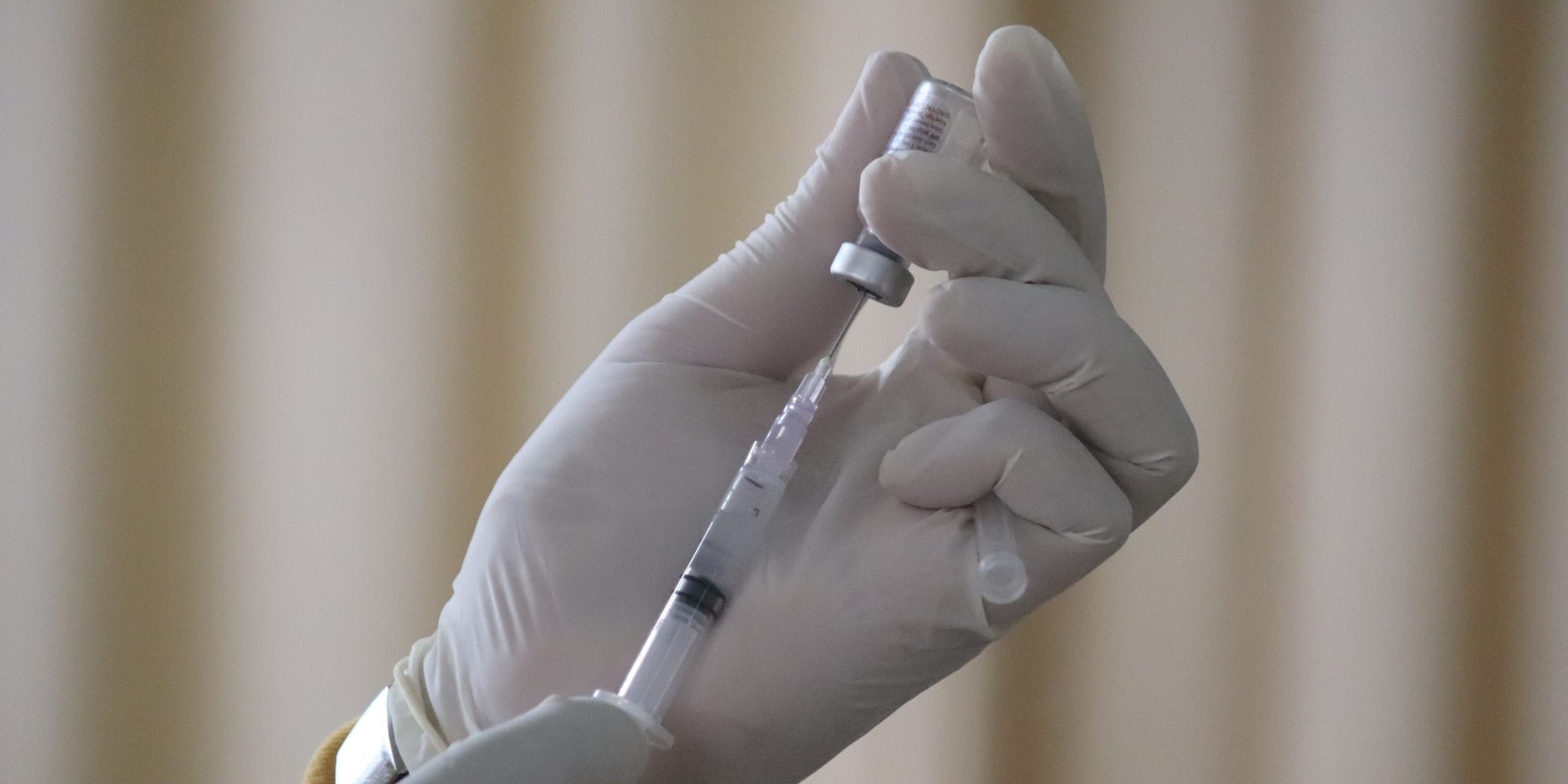
In January 2022, Poland experienced the highest rate of SARS-CoV-2 transmission since the beginning of the COVID-19 pandemic. Considering the widespread consensus among experts about the efficacy of vaccines in preventing hospitalisation and death resulting from the virus, low vaccination rates and widespread anti-vaccine sentiments in Poland are of great concern. We use data from the DIAGNOZA+ Survey to demonstrate the relationship between various demographic characteristics, opinions around certain gender norms, the propensity for conspiratorial thinking, concern about the pandemic, and vaccine scepticism. While controlling for exogenous demographic characteristics, we measure the strength of the relationship between various beliefs that people hold and how they feel about the COVID-19 vaccine. Our analysis indicates that while respondents who hold more traditional views on gender roles are 6 percentage points less likely to get vaccinated, those who agree with a variety of conspiratorial statements are 43 percentage points less likely to vaccinate against COVID-19.
Healthier over time? Period effects in health among older Europeans in a step-wise approach to identification

In the paper published recently in Social Science & Medicine Michał Myck and Monika Oczkowska examine changes in the level of physical health using longitudinal data on people aged 50+ from nine European countries covering the years from 2004 to 2017. For this purpose they develop a novel approach to identify age, period and cohort effects, which, in contrast to methods relying on mechanical restrictions, uses a step-wise estimation combining information on physical health with data on cognitive abilities. The approach relies on two important assumptions. First, relative differences between cohorts in cognitive abilities are estimated assuming that only age and cohort effects are responsible for their evolution. The authors then use the estimated proportional cohort differences to restrict the differences between cohorts in health development. The method is applied to the dynamics of four measures of poor health: weak grip strength, limitations in mobility, in activities of daily living (ADL) and in instrumental activities of daily living (IADL). The results suggest insignificant or adverse period effects for the evolution of physical health. These estimates, which reflect the implications of time over the period of 14 years, are relatively low, but they highlight the surprising fact that any improvements in health in the examined period have been driven essentially by cohort effects. This evidence is consistent with some earlier studies and sheds new light on recent (pre-pandemic) trends in life expectancy. It also raises questions concerning efficacy of healthcare and equal access to high quality care – the factors one would consider as important determinants of period effects in health.
Securing Women’s Safety at the Time of War
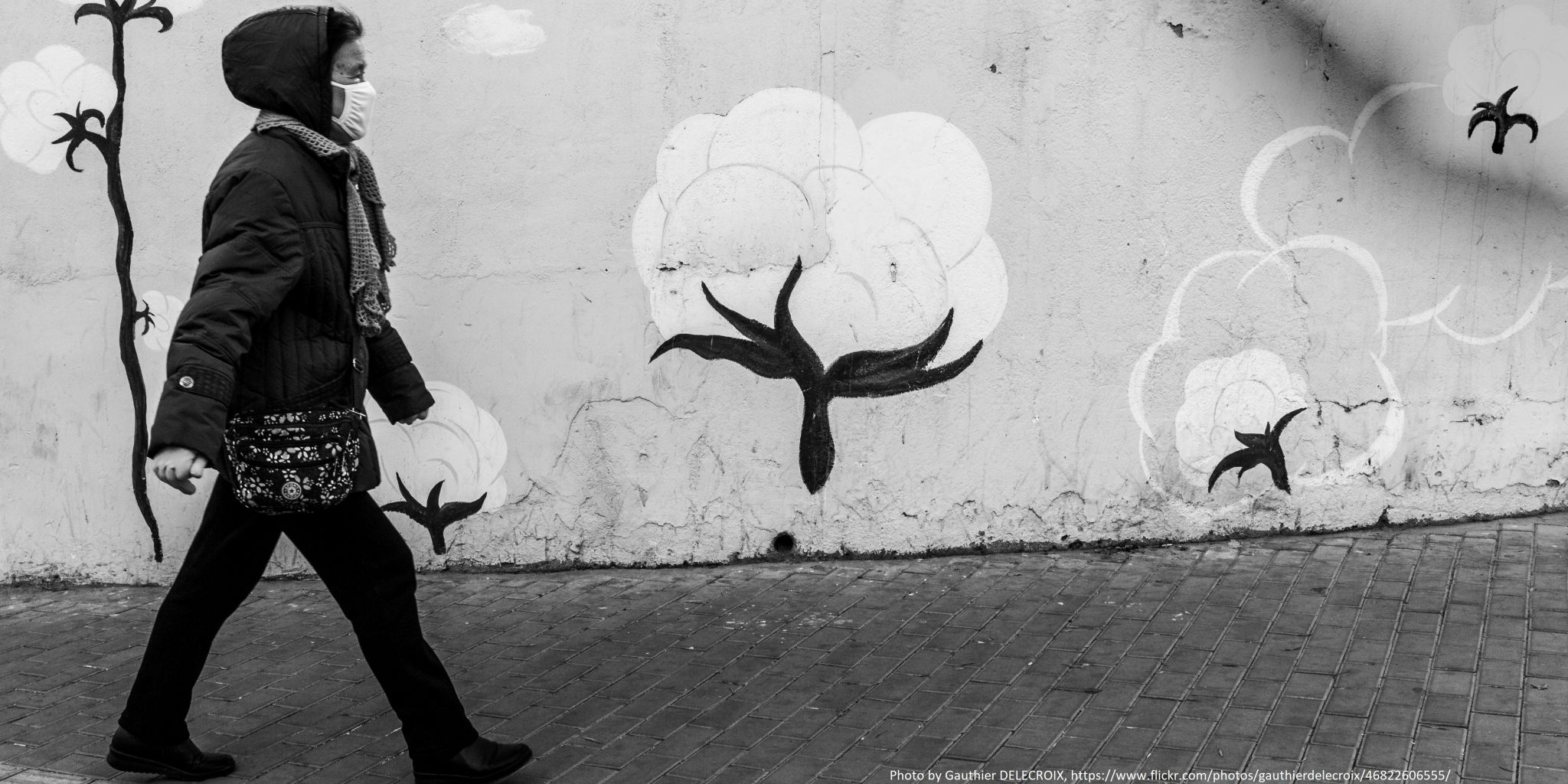
On this year’s International Women’s Day, we would like to draw attention to the women impacted by the invasion of Ukraine by the Russian Federation. Evidence from other armed conflicts suggests that women are particularly vulnerable both at the site of the war and in displacement, and that gender-based violence heightens in conflict and post-conflict societies. With this in mind, the international community should pay particular attention to protection, support and well-being of affected women in this tragic time.
The invasion of Ukraine by the Russian Federation sets a tragic background for this year’s International Women’s Day. The war has resulted in the loss of human life as well as suffering and displacement of hundreds of thousands of individuals. By March 6th 2022 over 1,5 million people fled Ukraine to neighbouring countries, while Russian forces have indiscriminately targeted Ukrainian towns and cities and failed to establish safety corridors for the civilian population and for humanitarian support. There exists extensive evidence that military conflicts put women at particular risk. This is the case both at the site of direct military confrontation, as well as a consequence of vulnerabilities generated by the need to flee their home. While one is clearly most concerned about the most direct expressions of gender-based violence, such as rape, sexual abuse or beating, we should also bear in mind that gender-based violence often takes the form of non-physical mistreatment, psychological pressure, or limitations on individual freedoms and displacement (Wirtz et al, 2014).
Indeed, the use of sexual violence during armed conflicts is by now broadly understood as a premeditated and deliberate technology of war, rather than the brutal expression of some base instinct triggered by the stress of conflict situations (Skjelsbaek, 2001), and there is evidence that aggressors from societies that are more gender-unequal are more likely to use it (Taylor, 1999; Meger, 2016, Guarnieri and Tur-Prats, 2020). Also, after fleeing conflict zones the spectre of sexual and gender-based violence follows displaced populations: the risk for sexual violence is heightened in refugee camps (Araujo et al, 2019). Further, it has been shown that rates of intimate partner violence during complex emergencies are much higher than rates of wartime sexual violence perpetrated outside of homes (Stark and Ager, 2011), and that domestic violence may be exacerbated by conflict and displacement (Wirtz et al, 2014).
Thus, the international community, the governments of countries which welcome families escaping the war, and the countless organised and improvised support groups, ought to pay particular attention to the risks to the welfare of women at this extraordinary time.
All agencies involved in assisting the Ukrainian population, both within and outside its borders, should be particularly aware of broad aspects of gender-based violence which the international academic community has been stressing for Securing women’s safety at the time of war the last few decades. As the war continues the international community, the governments of the host countries, and the European Union ought to ensure that:
● Women and vulnerable groups that want or need to leave conflict zones are allowed to do so in a safe way.
● All perpetrators of violence, including sexual violence, are eventually brought to justice. For this, there should be no question of impunity. For this to be possible safe spaces, infrastructure and reporting practices need to be established and enforced.
● As per UN Security Council Resolution 1820 (first applied to the Democratic Republic of Congo in 2008) sexual violence ought to be used as part of the designation criteria in sanctions regimes. This implies that “targeted and graduated” measures can be imposed against warring factions who commit rape and other forms of violence against women and girls.
● Refugee women are involved in the design, management or leadership of gender-based violence protection measures in refugee camps, if such were to be established (UNHCR, 2011)
● Training programmes concerning gender-based violence, including sexual violence, and available legal mechanisms to prevent it are provided for volunteers, staff and refugees to minimize the risk for fleeing women (Spangaro et al 2013).
● In the medium and longer term, in case of an inability to return to their homes, host countries facilitate legal work among refugees to avoid a cycle of vulnerability that may lead displaced women to seek precarious means of earning income (Ray et al. 2009).
● Social support through individual or group therapy and skilled support groups is offered to reduce mental distress (Willman, 2013).
As we await the peaceful end of the invasion of Ukraine and the safe return of hundreds of thousands of families to their homes, may this year’s International Women’s Day be a day of reflection and resolution on appropriate means and strategies to prevent and combat sexual and gender-based violence, both on the scene of the the armed conflict as well as against all women who find refuge from the war in foreign countries.
On March 7th 2022 the FREE Network was planning to host a conference on “Economic and social context of domestic violence” as part of the Forum for Research on Gender Economics (FROGEE). The conference has been postponed until representatives of all the FREE Network institutes can safely participate. The FROGEE project is supported by the Swedish International Development Cooperation Agency (Sida).
References
- Araujo, J. D. O., Souza, F. M. D., Proença, R., Bastos, M. L., Trajman, A., & Faerstein, E. (2019). Prevalence of sexual violence among refugees: a systematic review. Revista de saude publica, 53.
- Meger, S. (2016). Rape loot pillage: The political economy of sexual violence in armed conflict. Oxford University Press
- Ray S, Heller L. (2009). Peril or protection: the link between livelihoods and gender-based violence in displacement settings. New York (NY): Women’s Refugee Commission.
- Skjelsbaek, I. (2001). Sexual violence and war: Mapping out a complex relationship. European journal of international relations, 7(2), 211-237.
- Spangaro, J., Adogu, C., Ranmuthugala, G., Powell Davies, G., Steinacker, L., & Zwi, A. (2013).What evidence exists for initiatives to reduce risk and incidence of sexual violence in armed conflict and other humanitarian crises? A systematic review. PLoS ONE. 2013;8(5):1–13.
- Spangaro, J., Adogu, C., Zwi, A. B., Ranmuthugala, G., & Davies, G. P. (2015). Mechanisms underpinning interventions to reduce sexual violence in armed conflict: A realist-informed systematic review. Conflict and health, 9(1), 1-14.
- Stark, L., & Ager, A. (2011). A systematic review of prevalence studies of gender-based violence in complex emergencies. Trauma, Violence, & Abuse, 12(3), 127-134.
- Taylor, C. C. (1999). A gendered genocide: Tutsi women and Hutu extremists in the 1994 Rwanda genocide. PoLAR, 22, 42.
- Willman, A. M., & Corman, C. (2013). Sexual and Gender-Based Violence: What is the World Bank Doing and What Have We Learned, A Strategic Review. Washington (DC): World Bank.
- Wirtz, A. L., Pham, K., Glass, N., Loochkartt, S., Kidane, T., Cuspoca, D., & Vu, A. (2014). Gender-based violence in conflict and displacement: qualitative findings from displaced women in Colombia. Conflict and health, 8(1), 1-14.
- UNHCR. (2011). Action against sexual and gender-based violence: an updated strategy. Geneva: UNHCR Division of International Protection.
#AcademicsStandWithUkraine
Sieć instytutów badawczych FREE Network (Forum for Research on Eastern Europe and Emerging Economies) opowiada się za pokojem, bezpieczeństwem i demokracją oraz potępia inwazję Rosji na niepodległy i demokratyczny naród Ukrainy oraz naruszenie prawa międzynarodowego.
FREE Network ma bogatą historię budowania sieci i partnerstw z czołowymi ekspertami akademickimi w kwestiach gospodarczych w Europie Środkowej i Wschodniej oraz na rynkach wschodzących.
Sieć FREE zaprasza naukowców z regionu i spoza niego do wyrażenia solidarności z narodem ukraińskim, naukowcami, pedagogami i studentami cierpiącymi z powodu inwazji Rosji na demokratyczny naród Ukrainy.
Aby wypowiedzieć się na temat agresji Rosji na Ukrainę, użyj hashtagu #AcademicsStandWithUkraine.
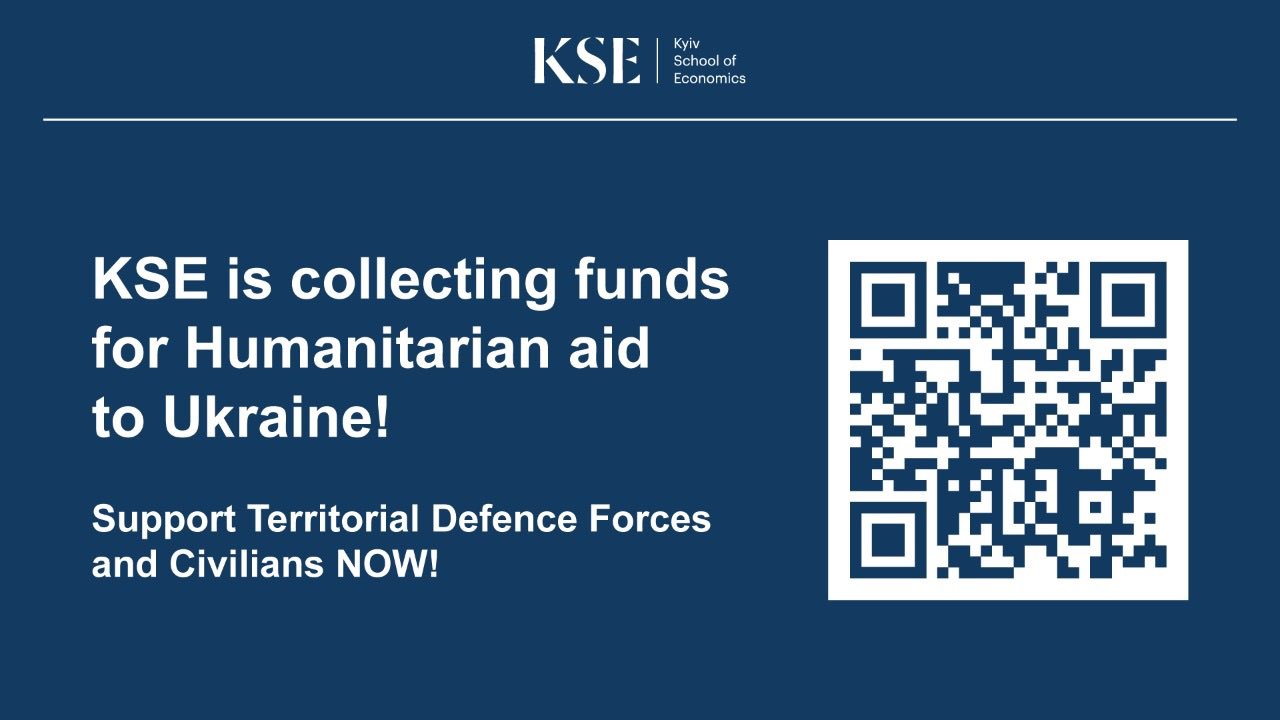
Darowizny na pomoc humanitarną organizuje ukraiński partner FREE Network: Kyiv School of Economics https://kse.ua/, członek sieci FREE.