

Author: webadmin
Aktywnie w pracy, żłobku i w domu: finansowe konsekwencje programu „Aktywny rodzic”

Program „Aktywny rodzic” wejdzie w życie 01.10.2024 roku i trafi do rodzin z dziećmi w wieku 12-35 miesięcy. Składać się na niego będą trzy formy wsparcia: „aktywni rodzice w pracy”, „aktywnie w żłobku” i „aktywnie w domu”. W niniejszym Komentarzu przedstawiono analizę konsekwencji wprowadzenia poszczególnych elementów programu “Aktywny rodzic” przy założeniu zarówno braku reakcji rodziców na jego wprowadzenie, jak i przykładowych zmian w ich zachowaniach względem decyzji na rynku pracy oraz zakresu korzystania z formalnej opieki na dzieckiem.
Komentarz CenEA 05/08/2024 “Aktywnie w pracy, żłobku i w domu: finansowe konsekwencje programu „Aktywny rodzic” “
Homeownership and the Perception of Material Security in Old Age (Applied Economics)

Using data from 15 European countries, the authors analyse the relationship between homeownership and material security, as measured through subjective evaluation of the likelihood of being better or worse off in the future. They find that homeowners have a higher level of material security than renters, and this association is especially strong for those living in big cities. The authors interpret the results as support for the argument that homeownership offers a very particular form of material security, which, through reduction of perceived material risks, may be behind its positive implications for well-being.
Full article is available here: Garten, C., Myck, M., & Oczkowska, M. (2024). Homeownership and the perception of material security in old age. Applied Economics, 1–13. https://doi.org/10.1080/00036846.2024.2364109
A Working Paper version is available as the IZA Discussion Paper.
A short FREE Policy Brief highlights the most important findings from the article.
Homeownership and portfolio choice in later life

The authors estimate the effect of home value on the composition of financial assets among a sample of German homeowners aged 50+. For that purpose they use a unique match of individual and regional level data. They find that home values are positively correlated with the probability of owning stocks and mutual funds and with the proportion of the portfolio invested in these assets.
The complete article can be found here: Garten, C., & Myck, M. (2024). Homeownership and portfolio choice in later life. Applied Economics Letters, 1–5. https://doi.org/10.1080/13504851.2024.2369715
Renta wdowia: zmiany w systemie wsparcia wdów i wdowców uchwalone przez Sejm RP

Przyjęta w dniu 26.07.2024 r. przez Sejm RP ustawa dotycząca wprowadzenia renty wdowiej oznacza istotne ograniczenie kosztów nowego elementu systemu wsparcia wdów i wdowców dla sektora finansów publicznych względem pierwotnej propozycji złożonej w Sejmie jako projekt obywatelski. W niniejszym Komentarzu przedstawiono analizę zmian wprowadzonych w projekcie renty wdowiej przez Sejm RP, ich wpływ na całkowity roczny koszt reformy oraz rozkład korzyści płynących z wprowadzenia zmian w systemie względem sytuacji materialnej gospodarstw wdów i wdowców.
Komentarz CenEA 30/07/2024 “Renta wdowia: nowe świadczenie uchwalone przez Sejm RP”
Komentarz stanowi kontynuację analiz prezentowanych w naszym poprzednim komentarzu, dotyczącym pierwotnej wersji projektu obywatelskiego renty wdowiej.
Reforming Financial Support in Widowhood: The Current System in Poland and Potential Reforms
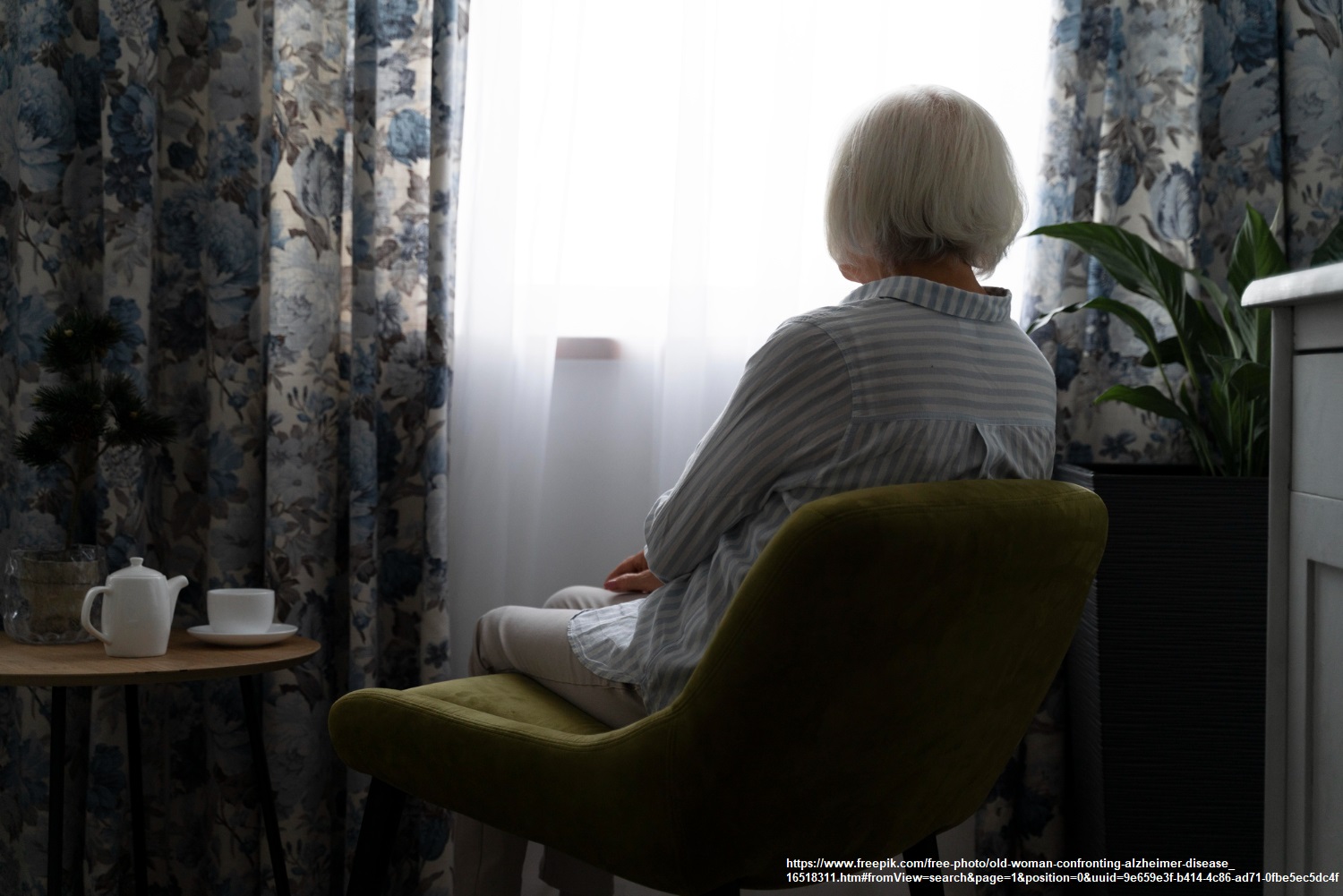
We discuss the material conditions of widows and widowers compared to married couples in Poland, and analyse the degree to which the current support system to those in widowhood in Poland limits the extent of poverty among this large and growing share of the population. The analysis is set in the context of a proposed reform recently discussed in the Polish Parliament. We present the budgetary and distributional consequences of this proposal and offer an alternative scenario which limits the overall cost of the policy and directs additional resources to low income households.
This analysis is published as a FROGEE Policy Paper “Reforming Financial Support in Widowhood: The Current System in Poland and Potential Reforms”.
A brief summary is presented also in a FROGEE Policy Brief “Widowhood in Poland: Reforming the Financial Support System”.
Renta wdowia: konsekwencje proponowanych zmian w systemie wsparcia wdów i wdowców

Propozycja Lewicy w postaci renty wdowiej, przedstawiona w Sejmie 11 kwietnia 2023 r. w formie obywatelskiego projektu ustawy (Sejm RP, 2023), zakłada zmiany w sposobie zabezpieczenia materialnego wdów i wdowców po śmierci ich współmałżonka. W niniejszym Komentarzu przedstawiono analizy sytuacji życiowej wdów i wdowców w Polsce w oparciu o dane z Badania Budżetów Gospodarstw Domowych dla lat 2010-2021. Analizy te stanowią tło dla symulacji, której celem jest ilustracja potencjalnych konsekwencji proponowanej przez Lewicę reformy z punktu widzenia różnicy w sytuacji materialnej wdów przed i po śmierci współmałżonka. Prezentowane w Komentarzu symulacje obejmują też alternatywną propozycję zmiany systemu wsparcia wdów i wdowców, która skupia się na podniesieniu świadczeń osób w gorszej sytuacji materialnej.
Komentarz CenEA 27/02/2024 “Renta wdowia: konsekwencje proponowanych zmian w systemie wsparcia wdów i wdowców”
Polish Parliamentary Elections 2023: Social Transfers and the Voters the Government is Counting On

The heated election campaign preceding the October 15th election in Poland has focused on fundamental issues related to the rule of law, migration, media freedom, women’s and minority rights, climate policy as well as Poland’s role on the international arena. The election outcome will determine Poland’s role in the EU and as well as the country’s future relations with Ukraine. It will also be decisive for the direction of Polish politics and the foundations of socio-economic development for many years to come. Despite these issues, the primary worries for a substantial portion of Polish households concern the domestic challenges of increasing prices and material uncertainty. With this in mind, this Policy Brief summarizes the results of CenEA’s recent analysis, which demonstrates a clear pattern in the United Right government’s policy, that in the last four years has strongly favored older groups of the Polish population. In the 2019 elections financial support directed to families with children was a key factor in securing a second term in office for the governing coalition. It remains to be seen if the focus on older voters pays off in the same way on October 15th.
Wybory Parlamentarne 2023 w Polsce: Komentarze Wyborcze CenEA

Komentarz “Druga kadencja rządów Zjednoczonej Prawicy: wsparcie rodzin z dziećmi w czasach wysokiej inflacji”, 13.09.2023
Komentarz “Druga kadencja rządów Zjednoczonej Prawicy: kto zyskał, a kto stracił?”, 14.09.2023
Dane do wykresów prezentowanych w Komentarzach można pobrać tutaj.
Komentarz “Podatki i świadczenia w programach wyborczych 2023”, 09.10.2023 (aktualizacja wyników 23.10.2023)
Komentarz “Poszukując kompromisu: podatkowe deklaracje przedwyborcze i możliwości ich realizacji”, 30.10.2023
Komentarz “Plany wydatkowe w expose premiera Donalda Tuska wygłoszonym w Sejmie RP 12 grudnia 2023 r.”, 18.12.2023
Kontakt dla mediów:
dr hab. Michał Myck, mmyck@cenea.org.pl
Join us!

In 2023 CenEA will recruit a graduate for the Research Economist position, with the following basic requirements:
- master’s degree in social sciences (economics, sociology) or natural sciences
- interest in social and economic policy
- excellent communications and writing skills
- very good knowledge of English
The position offers excellent opportunities for developing research skills and involves working in an international environment within a small team of experienced researchers. CenEA provides a stimulating work environment and supports personal development through international workshops, seminars and training. A successful candidate will work on a full-time basis as part of CenEA’s research team in Szczecin. Apply until September 15 by sending your CV with a cover letter (in English) to admin@cenea.org.pl. More details and the full job advertisement can be found here.
Temporal discounting in later life

Abstract
We explore intertemporal decision-making in later life by looking at temporal preference heterogeneity among older individuals. Using choice tasks responses from Poland collected as part of the Survey of Health, Ageing, and Retirement in Europe (SHARE), we elicit individual time preferences using competing discounting specifications. With the formulation that best fits our data, we examine which individual characteristics drive the estimated heterogeneity in later life time preferences. Individual numerical abilities, labour and marital status, as well as household income turn out to be significant correlates of patience. Our analysis also provides methodological guidance for instrument design with the aim of eliciting time preferences in a general survey setting.
The full paper is available here.