
Author: webadmin
#AcademicsStandWithUkraine
The Forum for Research on Eastern Europe and Emerging Economies (FREE Network) stands for peace, security and democracy and condemns Russia’s invasion of the independent and democratic nation of Ukraine and violation of international law.
The FREE Network has an extensive history of building networks and partnerships with leading academic experts on economic issues in Central and Eastern Europe and emerging markets.
The FREE Network invites academics from the region and beyond to express their solidarity with the Ukrainian people, academics, educators, and students suffering from Russia’s invasion into the democratic nation of Ukraine.
To speak out on Russia’s aggression against Ukraine, please use the hashtag #AcademicsStandWithUkraine.
Donations for humanitarian aid are organized by the Kyiv School of Economics https://kse.ua/, a member of the FREE Network.
The double burden of paid and unpaid work on women in Poland
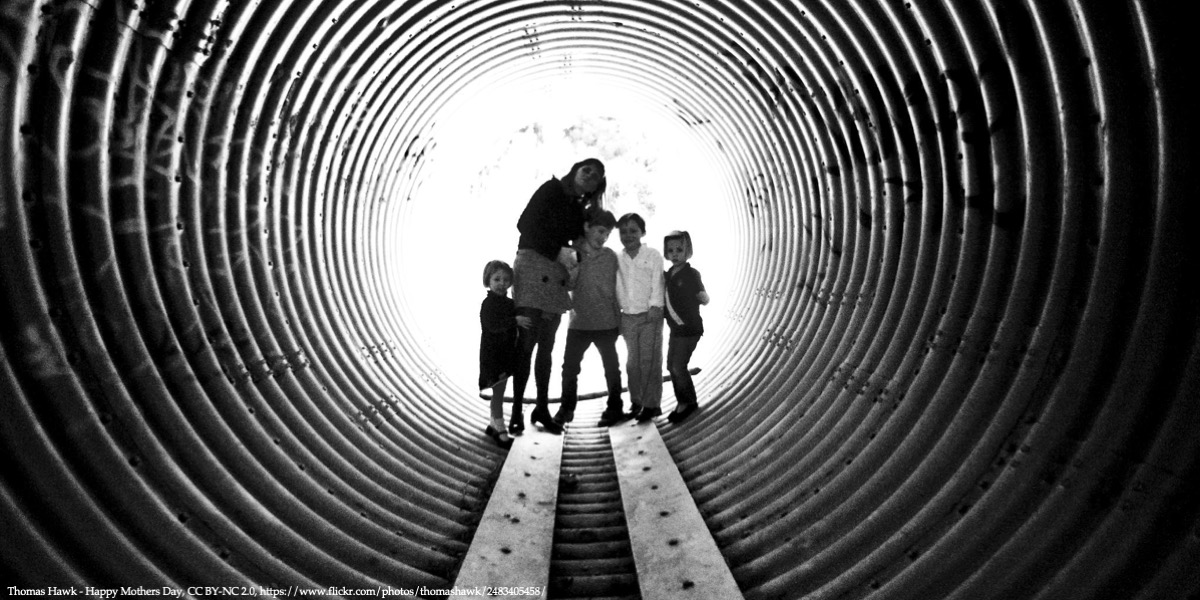
The vast majority of the Polish population agrees that household duties and childcare activities should be equally shared in a couple. However, in Poland, as in many other countries, the real division of household work and care does not reflect the attitudes towards it. Relying on the information from the Time Budget Survey, in this brief we show that women in Poland spend far more time on household chores and much more often take care of children than men. With relatively high labour market participation rates, and negligible rates of part-time employment, Polish women face the problem of a double burden of paid and unpaid work, commonly pointed out in the literature in the context of the post-communist countries. More equal sharing of domestic work would facilitate greater professional involvement among women and free their time to enjoy more leisure. More active government policies aimed at closing gender gaps along different dimensions could address prevailing constraints as well as social norms and stereotypes, and contribute towards such changes.
The full Report is available here.
Reports from Armenia, Belarus, Georgia, Latvia, Ukraine and Russia are available in English and the national languages here.
Konsekwencje reform podatkowych w pakiecie “Polski Ład”: ekspertyza CenEA dla Kancelarii Senatu RP

Niniejsza ekspertyza przedstawia analizę skutków regulacyjnych związanych z wprowadzeniem ustawy „o zmianie ustawy o podatku dochodowym od osób fizycznych, ustawy o podatku dochodowym od osób prawnych oraz niektórych innych ustaw” w brzmieniu przyjętym przez Sejm Rzeczypospolitej Polskiej dnia 1 października 2021 r.
Modelowane zmiany skupiają się na regulacjach podatkowych w zakresie podatku dochodowego i składek na ubezpieczenie zdrowotne zawartych w ww. ustawie. Tym samym przedstawione analizy stanowią aktualizację symulacji efektów redystrybucyjnych przedstawioną przez Centrum Analiz Ekonomicznych CenEA w dniu 19.05.20212, które obejmowały wstępny opis planowanych zmian podatkowych ogłoszonych przez partie koalicyjne rządu Premiera Mateusza Morawieckiego w dniu 15.05.20213.
Polski Ład: dystrybucyjne konsekwencje propozycji podatkowych Zjednoczonej Prawicy

W Komentarzu CenEA z dnia 19.05.2021 przedstawiono wstępne wyliczenia konsekwencji zmian podatkowych proponowanych w ramach programu „Polski Ład” ogłoszonego przez koalicyjne partie Zjednoczonej Prawicy w sobotę, 15.05.2021. Reforma systemu podatkowego proponowana przez partie Zjednoczonej Prawicy w ramach programu „Polski Ład” stanowić będzie jedną z najistotniejszych zmian w polskim systemie podatkowym wprowadzonych w ciągu ostatnich 30 lat. Według szacunków Ministerstwa Finansów całkowite korzyści netto dla gospodarstw domowych w wyniku reformy wyniosą około 5,1 mld zł rocznie (szacunki Ministerstwa wahają się w granicach 5,1 – 7,0 mld zł rocznie), przy czym bardzo istotnym aspektem proponowanych zmian jest wysoki zakres redystrybucji dochodu.
Jednym z najważniejszych elementów ogłoszonych zmian jest propozycja jest rozdzielenie rozliczenia podatku dochodowego i składek zdrowotnych oraz zmiana sposobu naliczania składki zdrowotnej od dochodów z działalności gospodarczej w sektorze pozarolniczym. W tej nowej koncepcji systemu podatkowego podwyższona zostanie kwota wolna od podatku (do 30,000 zł rocznie) i próg podatkowy (do 120,000 zł rocznie). Na proponowanych rozwiązaniach podatkowych 10,9 mln gospodarstw domowych odniesie korzyści powyżej 10 zł miesięcznie, zaś suma tych korzyści sięgnie 28,8 mld zł rocznie. Dla kolejnych 1,5 mln gospodarstw zmiany dochodu w wyniku propozycji będą ograniczone w przedziale od -10 do + 10 zł miesięcznie. 1,0 mln gospodarstw straci od 10 do 250 zł miesięcznie, co daje łączną stratę w wysokości 1,3 mld zł rocznie, a dochody 0,4 mln gospodarstw spadną o więcej niż 250 zł miesięcznie. Te gospodarstwa łączenie stracą aż 22,1 mld zł rocznie.
W ujęciu dystrybucyjnym na proponowanych reformach podatkowych przeciętnie najwięcej zyskają gospodarstwa domowe ze środka rozkładu dochodów. Dochody gospodarstw w grupach decylowych 4-6 wzrosną przeciętnie o około 260 zł miesięcznie, podczas gdy gospodarstwa z najniższej grupy dochodowej zyskają przeciętnie 64 zł miesięcznie. Dochody gospodarstw z najwyższej grupy decylowej spadną przeciętnie o 1 390 zł miesięcznie.
Jak pokazano w Komentarzu, grupą, która odniesie największe korzyści w wyniku proponowanych zmian w systemie podatkowym są rodziny osób w wieku emerytalnym, których głównym źródłem dochodu są świadczenia emerytalno–rentowe. Dzięki proponowanym zmianom dochody rodzin osób w wieku 60+/65+ wzrosną łącznie o 11,3 mld zł rocznie, co stanowi ponad połowę łącznych kosztów reformy w systemie PIT dla systemu finansów publicznych (jak podaje Ministerstwo Finansów – 21 mld zł rocznie). Problem ubóstwa i wykluczenia osób starszych w Polsce pozostaje nadal poważnym wyzwaniem dla polityki społeczno-gospodarczej. Jednak przy innych równoległych instrumentach wsparcia tej grupy, takich jak trzynasta i czternasta emerytura, należy rozważyć czy w obecnej sytuacji polityka podatkowa nie powinna raczej skupić się na gospodarstwach aktywnych zawodowo, w szczególności tych o niskich dochodach. Tak ukierunkowane reformy powinny łączyć z jednej strony podnoszenie wysokości kosztów uzyskania przychodu, a z drugiej korzystać z istniejących instrumentów umożliwiających zwiększenie dochodów netto za pośrednictwem zwrotnych ulg podatkowych dla pracowników o najniższych dochodach.
Gender preferences in Central and Eastern Europe as reflected in partnership and fertility outcomes

The decisions of parents following the birth of their first child concerning subsequent fertility, and the stability of their relationship can be used as a reflection of broader gender preferences. We study these decisions to identify gender preferences in six Central and Eastern European countries, which vary with respect to their current political and economic conditions, but share a common experience of past communist rule. Using subsamples of census data collected in the IPUMS-International inventory around 2000 and 2010, we examine the effect of the gender of the first-born child(ren) on the fertility and relationship stability of their parents. Only in the case of Romania do our results consistently point towards boy preferences, while in Russia boy preferences can be detected in families with two or more children. Importantly, in four out of six countries (Belarus, Poland, Russia and Ukraine) parents are more likely to have a second child if the first-born was a boy, indicating girl preferences. These preferences could be interpreted as a reflection of concern regarding future care support for parents.
Childcare benefit 500+ in CenEA analyses

Below you can find a compilation of CenEA analyses devoted to the consequences of the Family 500+ programme over the five years of its functioning (April 2016 – April 2021). The collection includes publications on the subject ranging from analyses of the 2015 electoral declarations (where the possibility of introducing the 500+ childcare benefit into the system of financial support for families in Poland was mentioned for the first time), to the evaluation of the programme published on the fifth anniversary of its implementation.
- Programy wyborcze 2015: kto zyska, kto straci i ile to będzie kosztowało (CenEA Report, October 2015)
- Portfele gospodarstw domowych po exposé premier Beaty Szydło (CenEA Commentary, November 2015)
- 25 miliardów złotych dla rodzin z dziećmi: projekt Rodzina 500+ i możliwości modyfikacji systemu wsparcia (CenEA Commentary, January 2016)
- Estimating Labour Supply Response to the Introduction of the Family 500+ Programme (CenEA Working Paper, September 2016)
- The impact of „Family 500+” programme on household incomes, poverty and inequality (Social Policy, December 2017)
- Pakiet podatkowo-świadczeniowych rozwiązań rządu Zjednoczonej Prawicy (CenEA Report, April 2019)
- Rodzina 500+: ocena programu i propozycje zmian (FOR/IBS Report, May 2019)
- Polityka podatkowo-świadczeniowa rządu Zjednoczonej Prawicy: program wyborczy i jego realizacja w latach 2015-2019 (CenEA Report, October 2019)
- From Partial to Full Universality: The Family 500+ Programme in Poland and its Labor Supply Implications (ifo DICE Report, October 2019)
- Kwota wolna od podatku i świadczenie wychowawcze 500+ po pięciu latach od prezydenckich deklaracji (CenEA Commentary, June 2020)
- Świadczenie wychowawcze po pięciu latach: 500 plus ile? (CenEA Commentary, March 2021)
Five Years in Operation: the Polish Universal Child Benefit

Over the last five years, Polish families with children have been entitled to a relatively generous benefit of approximately €110 per month and child. Initially granted for every second and subsequent child in the family regardless of income and for the first child for low-income families, the benefit was made fully universal in 2019. With the total costs amounting to as much as 1.7% of Poland’s GDP, the benefit reaches the parents of 6.7 million children and significantly affects these families’ position in the income distribution. Its introduction has led to a substantial reduction in the number of children living in poverty. However, since families with children are more likely to be among households in the upper half of the income distribution, out of the total cost of the benefit, a proportionally greater share ends up in the wallets of high-income families. While the implementation of the benefit has significantly changed the scope of public support to families in Poland, there are many lessons to be learnt and some important revisions to be undertaken to achieve an effective and comprehensive support system.
An abbreviated version published as a FREE Policy Brief is available here.
Why are there fewer women than men in politics?
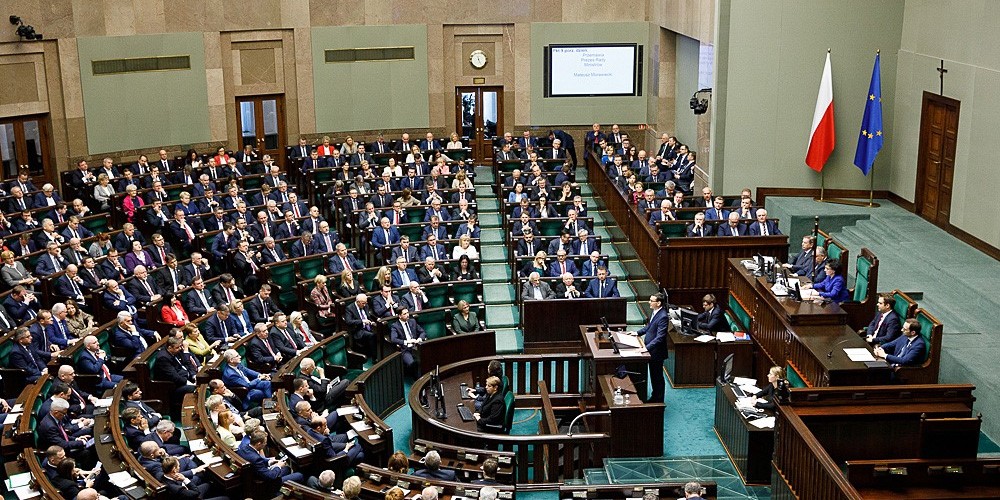
All over the world, there are far fewer women than men in political positions, and the disproportion is particularly visible in the case of senior positions. In Poland, in the initial years of transition, the participation of women in politics was very limited, and for many years Poland has performed quite poorly in the ranking of European countries based on general equality indicators, and in particular the position of women in politics. In 2011, the Polish government took steps to reduce the disproportion in women’s political participation by introducing proportional quotas on electoral lists. However, despite the increase in the proportion of female candidates on these lists and despite the increase in the number of female deputies in the Sejm, the number of women in Parliament still remains significantly lower than the number of men. In part, this is probably due to the conservative views or even prejudices of voters themselves. However, a significant role is also played by prejudices within political parties, whose leaders do not place women in top positions on electoral lists. It seems, therefore, that the introduction of gender quotas alone is not enough to overcome the barriers faced by women in the electoral process and further, more comprehensive changes in the law may be necessary.
The full Report is available here.
Reports from Belarus, Georgia, Latvia, Ukraine and Russia are available in English and the national languages here.
Transition and beyond: women on the labour market in the context of changing social norms

As countries brace themselves for a severe economic slowdown in response to the COVID-19 pandemic, earlier crises, such as that which followed the political transformation of Central and Eastern Europe and the former Soviet Union in the 1990s, may serve as important points of reference. While of course different in many ways, the changes that accompanied the transition affected society as a whole, but also had heterogenous effects across different groups. One particular dimension – also discussed in relation to the current COVID-19 crises – is that of relative costs and benefits for men and women respectively. In this brief we re-examine one specific element of this, namely the developments of gender gaps in the labour market and social norms related to labour market activity over time and across countries, starting in the years before transition.
Similarly to the current economic crisis related to the COVID-19 pandemic, the socio-economic developments of the post-transition period left women in Poland in a less favourable economic position relative to men. Here we discuss two main sources of gender inequalities in the context of the Polish labour market – the gender gap in employment and pay. Though a certain improvement in this regard can be observed over the last 30 years, significant inequalities between women and men remain today and may have substantial impact in the future, especially for differences in poverty risk in old age.
CenEA is a partner in DIAGNOZA.plus, a study of the Polish labour market

The University of Warsaw in cooperation with GRAPE, CASE, CenEA and IBS is carrying out a study of the Polish labour market DIAGNOZA.plus.
The project focuses on the analysis of current labor market indicators such as the unemployment and employment rates, the wage level and working conditions.
This innovative study carried out in the form of online interviews facilitates amon other things the analysis of how the COVID-19 pandemic and the economic slow-down it caused has affected the Polish labor market.
Information about the study and current reports prepared on the basis of its results can be found at DIAGNOZA.plus.