
Author: webadmin
Komentarze CenEA (PL)

Komentarze CenEA (PL) (CenEA Commentaries in Polish):
2025
Myck, M., Król, A., Podorska, P., Sitkowska B. 2025. Finansowe wsparcie gospodarstw domowych 2025: do kogo trafia „socjal”? Komentarz CenEA 25.11.2025.
Myck, M., Król, A., Oczkowska, M. 2025. Co obiecał Prezydent, co wprowadził rząd. Komentarz Przedwyborczy CenEA 07.04.2025.
Myck, M., Król, A., Oczkowska, M. 2025. Kampanijne deklaracje podatkowe Karola Nawrockiego. Komentarz Przedwyborczy CenEA 14.04.2025.
2024
Myck, M., Król, A., Oczkowska, M. 2024. Renta wdowia: konsekwencje proponowanych zmian w systemie wsparcia wdów i wdowców. Komentarz CenEA 27.02.2024.
Myck, M., Król, A., Oczkowska, M. 2024. Aktywnie w pracy, żłobku i w domu: finansowe konsekwencje programu „Aktywny rodzic”. Komentarz CenEA 05.08.2024.
Myck, M., Król, A., Oczkowska, M. 2024. Renta wdowia: zmiany w systemie wsparcia wdów i wdowców uchwalone przez Sejm RP. Komentarz CenEA 30.07.2024.
Myck, M., Król, A., Oczkowska, M. 2024. Zasiłek rodzinny: niezmiennie od 2016 roku. Komentarz CenEA 20.08.2024.
2023
Myck, M., Król, A., Oczkowska, M., Trzciński, K. 2023. Druga kadencja rządów Zjednoczonej Prawicy: Wsparcie rodzin w czasach wysokiej inflacji. Komentarz Przedwyborczy CenEA 13.09.2023.
Myck, M., Król, A., Oczkowska, M., Trzciński, K. 2023. Materiały metodyczne. Komentarz Przedwyborczy CenEA 13.09.2023.
Myck, M., Król, A., Oczkowska, M., Trzciński, K. 2023. Druga kadencja rządów Zjednoczonej Prawicy: Kto zyskał, a kto stracił? Komentarz przedwyborczy CenEA 14.09.2023.
Myck, M., Król, A., Oczkowska, M., Trzciński, K. 2023. Podatki i świadczenia w programach wyborczych 2023. Komentarz Przedwyborczy CenEA 09.10.2023.
Myck, M., Król, A., Oczkowska, M. 2023. Poszukując kompromisu: podatkowe deklaracje przedwyborcze i możliwości ich realizacji. Komentarz Wyborczy CenEA 30.10.2023.
Myck, M., Król, A., Oczkowska, M. 2023. Plany wydatkowe w exposé premiera Donalda Tuska wygłoszonym w Sejmie RP 12 grudnia 2023. Komentarz Wyborczy CenEA 18.12.2023.
2021
Myck, M., Oczkowska, M., Trzciński, K. 2021. Ekspertyza dotycząca redystrybucyjnych konsekwencji zmian regulacji podatkowych w ramach pakietu „Polski Ład” przyjętych przez Sejm dnia 1 października 2021 r. Kancelaria Senatu: Biuro analiz, dokumentacji i korespondencji. Opinie i ekspertyzy OE–371.
Myck, M., Oczkowska, M., Trzciński, K. 2021. „Polski Ład”: dystrybucyjne konsekwencje propozycji podatkowych Zjednoczonej Prawicy. Komentarze CenEA 19.05.2021.
Myck, M., Król, A., Oczkowska, M., Trzciński, K. 2021. Świadczenie wychowawcze po pięciu latach: 500 plus ile? Komentarz CenEA 31.03.2021.
2020
Myck, M., Oczkowska, M., Trzciński, K. 2020. Skala ryzyka finansowego dla gospodarstw domowych: pierwsza fala konsekwencji gospodarczych pandemii COVID-19. Komentarz CenEA 23.03.2020.
Myck, M., Oczkowska, M., Trzciński, K. 2020. Kwota wolna od podatku i świadczenie wychowawcze 500+ po pięciu latach od prezydenckich deklaracji. Komentarz Przedwyborczy CenEA 22.06.2020.
Myck, M., Oczkowska, M., Trzciński, K. 2020. Zamknięte szkoły: warunki uczniów do nauki zdalnej w okresie pandemii COVID-19. Komentarz CenEA 28.03.2020.
Myck, M., Oczkowska, M., Trzciński, K. 2020. Kwota wolna od podatku i zerowy PIT w końcówce prezydenckiej kampanii wyborczej 2020. Komentarz Przedwyborczy CenEA 07.07.2020.
2019
Myck, M., Najsztub, M., Oczkowska, M., Trzciński, K. 2019. Pakiet podatkowo-świadczeniowych rozwiązań rządu Zjednoczonej Prawicy. Raport Przedwyborczy CenEA 12.04.2019.
Myck, M., Oczkowska, M., Trzciński, K. 2019. Polityka podatkowo-świadczeniowa rządu Zjednoczonej Prawicy: program wyborczy i jego realizacja w latach 2015-2019. Raport Przedwyborczy CenEA 07.10.2019.
2017
Najsztub, M., Oczkowska, M., 2017. Relacje międzypokoleniowe w kontekście opieki sprawowanej nad wnukami przez dziadków na podstawie wyników badania „SHARE: 50+ w Europie”. Komentarz CenEA 24.01.2017.
2016
Myck, M., Kundera, M., Najsztub, M., Oczkowska, M. 2016. Zamrożony PIT i utrzymane wyższe stawki VAT – jak brak zmian w podatkach wpłynie na budżety gospodarstw domowych? Komentarz CenEA 18.01.2016.
Myck, M., Kundera, M., Najsztub, M., Oczkowska, M. 2016. 25 miliardów złotych dla rodzin z dziećmi: projekt Rodzina 500+ i możliwości modyfikacji systemu wsparcia. Komentarz CenEA 18.01.2016.
2015
Myck, M., Kundera, M., Najsztub, M., Oczkowska, M. 2015. VAT w wydatkach gospodarstw domowych: konsekwencje zmian systemu i zróżnicowanie obciążeń względem struktury demograficznej. I Raport Przedwyborczy CenEA 26.02.2015.
Myck, M., Kundera, M., Najsztub, M., Oczkowska, M. 2015. Przedwyborcze miliardy: jak je wydać i skąd je wziąć. II Raport Przedwyborczy CenEA 28.05.2015.
Myck, M., Kundera, M., Najsztub, M., Oczkowska, M. 2015. Przedwyborcze pięć miliardów: jak je wydać i skąd je wziąć. III Raport Przedwyborczy CenEA 28.05.2015.
Myck, M., Kundera, M., Najsztub, M., Oczkowska, M. 2015. Dwie kadencje w polityce podatkowo-świadczeniowej: programy wyborcze i ich realizacja w latach 2007-2015. IV Raport Przedwyborczy CenEA 03.09.2015.
Myck, M., Kundera, M., Najsztub, M., Oczkowska, M. 2015. Programy wyborcze 2015: kto zyska, kto straci i ile to będzie kosztowało. V Raport Przedwyborczy CenEA 13.10.2015.
Myck, M., Kundera, M., Najsztub, M., Oczkowska, M. 2015. Portfele gospodarstw domowych po exposé premier Beaty Szydło. Komentarze CenEA 19.11.2015.
Konsekwencje prezydenckiej propozycji podwyższenia kwoty wolnej od podatku. Informacja prasowa CenEA.
2014
Myck, M., Kundera, M., Najsztub, M., Oczkowska, M. 2014. Projekt budżetu na rok 2015 – jak plany odczują domowe budżety? Informacja prasowa 29.10.2014.
Myck, M., Kundera, M., Najsztub, M., Oczkowska, M. 2014. Zreformowana ulga by ulżyć rodzicom. Komentarz CenEA 19.09.2014.
Myck, M., Kundera, M., Najsztub, M., Oczkowska, M. 2014. Plany nowego rządu – „złotówka za złotówkę” zasadniczą zmianą w systemie wsparcia rodzin z dziećmi. Informacja prasowa CenEA 06.10.2014.
Myck, M., Kundera, M., Najsztub, M., Oczkowska, M. 2014. Pułapka bezrobocia i polski system świadczeń rodzinnych: modyfikacje systemu wspierające zatrudnienie rodziców. MR02/14.
Myck, M., Kundera, M., Najsztub, M., Oczkowska, M. 2014. Wsparcie dzieci bez względu na dochód: możliwości wprowadzenia powszechnego świadczenia rodzinnego w Polsce. Komentarz CenEA 26.03.2014.
2013
Myck, M., Kundera, M., Najsztub, M., Oczkowska, M. 2013. Ponowne „mrożenie” PIT w kontekście zmian podatkowych od 2009 roku. Komentarz CenEA 06.11.2013.
Myck, M., Kundera, M., Oczkowska, M. 2013. Finansowe wsparcie rodzin z dziećmi w Polsce w 2013 roku. Komentarze CenEA 27/05/2013.
Myck, M., Kundera, M., Oczkowska, M. 2013. Finansowe wsparcie rodzin w Polsce: przykłady modyfikacji w systemie podatkowym. MR02/13.
Myck, M., Kundera, M., Oczkowska, M. 2013. Prezydencka propozycja modyfikacji wsparcia rodzin w ramach systemu podatkowego. Komentarze CenEA 06/06/2013.
2012
Domitrz, A., Morawski, L., Myck, M., Semeniuk, A. 2012. Dystrybucyjny wpływ reform podatkowo-świadczeniowych wprowadzonych w latach 2006-2011. MR01/12.
Myck. M., Domitrz A., Kundera M., Oczkowska M., Semeniuk A. 2012. Konsekwencje waloryzacji systemu świadczeń rodzinnych 2012 w kontekście alternatywnych rozwiązań, Komentarze CenEA CO/002.
2011
Myck, M., Morawski, L., Domitrz, A., Semeniuk, A. 2011. Raport Przedwyborczy CenEA 2011 Część 1: 2006-2011: kto zyskał, a kto stracił? MR01/11.
Myck, M., Morawski, L., Domitrz, A., Semeniuk, A. 2011. Raport Przedwyborczy CenEA 2011 Część II: Wybory Parlamentarne 2011: kto zyska, a kto straci i ile to będzie kosztowało? MR02/11.
The Polish Presidential Elections 2025: Can the Democratic Coalition Complete Their 2023 Victory?

It is safe to say that the outcome of the second round of the Polish presidential elections, scheduled for June 1, 2025, will determine the potential for significant structural reforms in the country in the coming years. The two candidates are: Karol Nawrocki, officially declared as a ‘civic candidate’ (though for all practical purposes associated with the previous government’s Law and Justice party, Prawo i Sprawiedliwość – PiS), and Rafał Trzaskowski representing the main coalition party in the current government, the Civic Platform (Platforma Obywatelska), which came to power after the parliamentary elections in October 2023. In the first round of the 2025 presidential election, which took place on May 18, 2025, Rafał Trzaskowski came first with 31.4 percent of the votes and Karol Nawrocki second with 29.5 percent. This policy brief explores the mechanisms through which the Polish President can influence current policy, using past economic initiatives as illustrative examples. It also examines the results of the first round of the election in greater depth and highlights key areas where reforms would likely face significant obstacles, were Karol Nawrocki to win the decisive second round.
Join us!

In 2025 CenEA will recruit up to two candidates for the Research Economist positions, with the following basic requirements:
- master’s degree in social sciences (economics, sociology) or natural sciences
- interest in social and economic policy
- excellent communications and writing skills
- very good knowledge of English
The position offers excellent opportunities for developing research skills and involves working in an international environment within a small team of experienced researchers. CenEA provides a stimulating work environment and supports personal development through international workshops, seminars and training. A successful candidate will work on a full-time basis as part of CenEA’s research team in Szczecin. Apply until June 6 by sending your CV with a cover letter (in English) to akrol@cenea.org.pl. More details and the full job advertisement can be found here.
Kampanijne deklaracje podatkowe Karola Nawrockiego: Komentarz Przedwyborczy CenEA
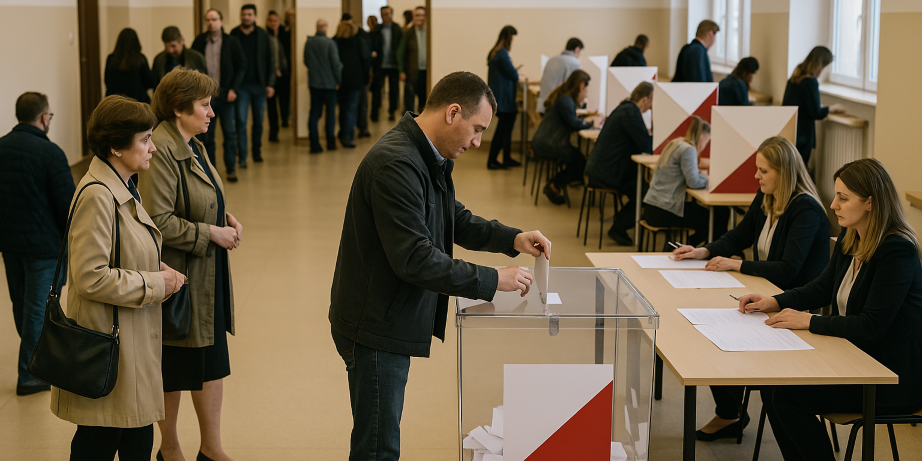
Niniejszy Komentarz jest drugim z serii analiz CenEA poprzedzających zbliżające się wybory Prezydenta RP. W Komentarzu analizie poddano jedne z ważniejszych elementów programu wyborczego Karola Nawrockiego, a mianowicie obietnice zmian w obszarze podatków dochodowych.
Komentarz Przedwyborczy CenEA 14/04/2025 “Kampanijne deklaracje podatkowe Karola Nawrockiego”
Główną propozycją w obszarze polityki podatkowej kandydata Koalicji Obywatelskiej na Prezydenta RP Rafała Trzaskowskiego jest powrót do jednej z najważniejszych deklaracji przedwyborczych Koalicji z wyborów parlamentarnych 2023, czyli podniesienie kwoty wolnej od podatku do 60,000 zł rocznie. Szczegółową analizę tej propozycji, przedstawiliśmy w 2023 roku w komentarzu “Poszukując kompromisu: podatkowe deklaracje przedwyborcze i możliwości ich realizacji”.
Co obiecał Prezydent, co wprowadził rząd: Komentarz Przedwyborczy CenEA

Niniejszy Komentarz otwiera serię analiz CenEA poprzedzających zbliżające się wybory Prezydenta RP. W Komentarzu analizie poddano obietnice podatkowe kończącego drugą kadencję Andrzeja Dudy z kampanii wyborczej w 2015 r., kiedy to deklarował on podniesienie kwoty wolnej od podatku do 8000 zł, i porównano je z konsekwencjami przeprowadzonej w latach 2021-2022 reformy podatkowej w ramach tzw. „Polskiego Ładu”.
Komentarz Przedwyborczy CenEA 07/04/2025 “Co obiecał Prezydent, co wprowadził rząd”
Three Years On – Ukrainians in Poland after Russia’s 2022 Invasion
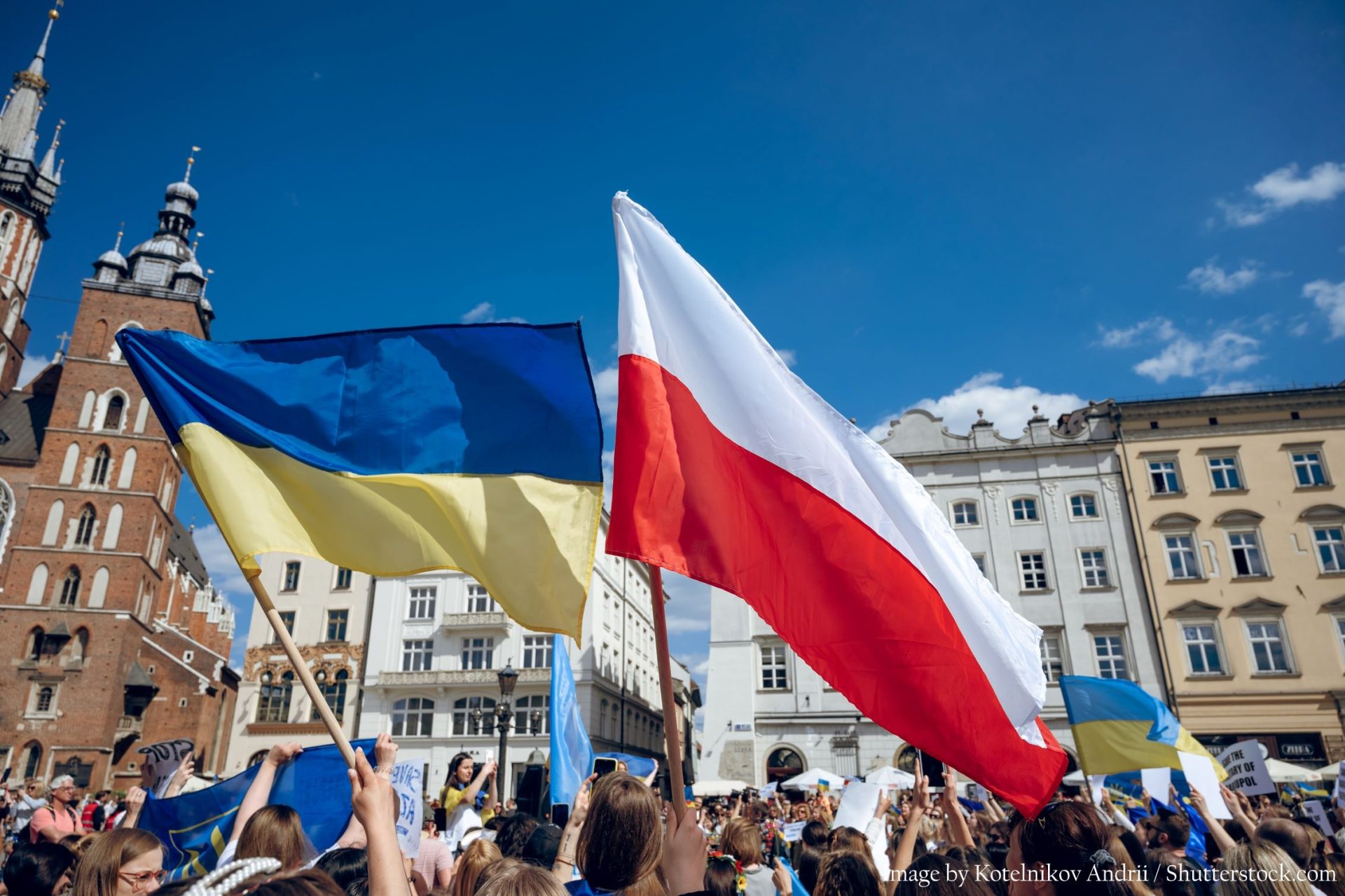
The wave of Ukrainian refugees which followed the full-scale Russian invasion on February 24th, 2022, was in Poland met with unprecedented levels of support and solidarity. According to data from the Polish Household Budget Survey, 70 percent of households offered some help, and over 10 percent (1.3 million households) provided direct personal assistance. Overall, by early 2025, 1.9 million refugees had registered in the dedicated social security registry (PESEL-UKR system) and 1 million continue to be registered as residing in Poland. Drawing on other data sources we argue in this policy paper that the latter figure is highly overstated, giving rise to unjustified criticisms of low school enrolment among Ukrainian children, and low rates of labour market activity among adult refugees. We highlight the risks that these critical voices may become prominent in the ongoing campaign ahead of the Polish presidential elections. During the crucial months of prospective peace negotiations, when presidential candidates are appealing for voters’ support, we argue that the public debate in Poland concerning Ukraine and Ukrainian refugees, ought to be grounded in reliable evidence.
Christmas Time in Poland Through the Lens of Gender Equality

In the Christmas season we examine how people in Poland allocate their precious minutes in the days before and during the holidays. We use data from the Polish Time Use Survey and show that, in several aspects of time use, Christmas is indeed special, and that there are notable differences in how men and women allocate their time to work and pleasure. Women spend more time than men on household chores and preparing meals, and in the latter case the imbalance is particularly striking: on average women spend two hours more per day cooking ahead of the holidays.
“Active parent”: Addressing Labor Market Disadvantages of Mothers in Poland

In 2023 only one out of four children aged 0-3 years was covered by the Polish system of formal childcare. Traditional social norms with regard to provision of childcare at home, together with high costs of existing formal and informal childcare arrangements constitute important constraints with regard to labor market participation among mothers with the youngest children. While labor market activity rate among women aged 25-49 years stands at 84 percent overall, it is more than 20 percentage points lower for mothers with children aged 1-3 years. In this policy brief we provide an overview and an evaluation of “Active parent”, a recently introduced policy aimed at supporting earlier return to work after birth among mothers in Poland. We argue that the success of the program will be strongly determined by the extent to which it manages to stimulate growth of high-quality formal childcare for those aged 0-3 in the next few years.
Gender Gap in Life Expectancy in Poland

The gender gap in life expectancy in Poland is much wider compared to most of the other members of the European Union, including members with a common socialist past. This wide gap has not changed substantially over the past 34 years, despite the success of the economic transition in Poland and steady growth in the overall life expectancy from 71 years in 1990 to 76 years in 2021. The disparities between men and women in Poland are particularly dramatic when examining the propensity to engage in risk-taking and hazardous activities or taking up addictions. The most serious consequence of these behaviours are excessive numbers of deaths, particularly among men, that could have been prevented. It seems clear that preventive health campaigns need to be improved and extended in Poland and that more needs to be done with a specific focus on gender disparities.
The full Report including a general overview of the socio-economic implications of the gender gap in longevity by Lev Lvovsky (BEROC) is available here.
Reports from Belarus, Georgia and Latvia are available in English here.
Zasiłek rodzinny: niezmiennie od 2016 roku
Znaczenie zasiłku rodzinnego wraz z dodatkami jako mechanizmu wsparcia rodzin z dziećmi zdecydowanie zmalało po wprowadzeniu programu Rodzina 500+. W ostatnich latach wprowadzono ponadto inne programy wsparcia skierowane do rodzin z dziećmi: świadczenie „Dobry start 300+”, rodzinny kapitał opiekuńczy, dofinansowanie opieki w żłobkach, a od października rodzice dzieci w wieku 12-35 miesięcy będą mogli liczyć na wsparcie nawet do 1500 zł miesięcznie w ramach programu „Aktywny rodzic”. Wartość zasiłku rodzinnego z dodatkami względem PKB spadła w latach 2010-2022 z 0,36% do 0,08%. W tym okresie liczba rodzin otrzymujących zasiłek spadła z 1427 tys. do 553 tys. W niniejszym komentarzu analizujemy, w jakim stopniu spadek ten jest efektem rosnących dochodów rodzin, a w jakim – konsekwencją mrożenia progów dochodowych uprawniających do otrzymywania zasiłku.
Komentarz CenEA 20/08/2024 “Zasiłek rodzinny: niezmiennie od 2016 roku”